Internal Family Systems (IFS) Therapy: A Path to Inner Harmony
In recent years, Internal Family Systems (IFS) therapy has gained growing recognition as one of the most compassionate and transformative approaches to emotional healing and personal growth. Developed by Richard Schwartz in the 1980s, Internal Family Systems offers a refreshing and deeply human way of understanding the mind - not as a single, unified voice, but as an inner system made up of different parts, each with its own emotions, beliefs, memories, and protective strategies.
Rather than seeing these inner experiences as signs of dysfunction, IFS views them as meaningful expressions of our inner world. Every part has a purpose. Even the behaviors we struggle with most often began as attempts to protect us from pain, rejection, fear, or overwhelm.
The Core Idea: We Are Made of Parts
Most people can recognize different “aspects” of themselves. One part may strive for perfection and achievement, while another longs for rest and connection. One part may feel anxious and fearful, while another becomes critical or controlling in order to maintain safety. IFS understands these experiences not as contradictions, but as natural aspects of being human.
According to the Internal Family Systems, our internal system consists of different categories of parts:
- Managers try to keep life organized, controlled, and emotionally safe. They may appear as perfectionism, overthinking, people-pleasing, or constant self-criticism.
- Firefighters react when emotional pain becomes overwhelming. They attempt to numb, distract, or soothe us through impulsive behaviors, emotional shutdown, addictions, anger, or avoidance.
- Exiles are the vulnerable parts that carry emotional wounds, often originating in childhood experiences such as shame, fear, loneliness, rejection, or grief.
At the center of this internal system is what Internal Family Systems calls the Self - our core essence. The Self is not another part, but a state of inner presence characterized by calmness, curiosity, compassion, clarity, confidence, courage, creativity, and connectedness.
When the Self leads the system, healing becomes possible.
The goal of IFS therapy is not to eliminate parts or “fix” the person. Instead, it aims to create a trusting relationship between the Self and the parts so that wounded aspects of the psyche can finally feel heard, understood, and supported.
Understanding Protective Parts
One of the most powerful aspects of IFS is its non-pathologizing perspective. Behaviors that are often judged harshly - anxiety, emotional reactivity, perfectionism, withdrawal or self-sabotage - are understood as protective strategies developed for survival.
For example:
- A highly critical inner voice may be trying to prevent failure or rejection.
- An anxious part may constantly scan for danger in order to keep the person safe.
- A part that avoids intimacy may have learned that closeness leads to hurt.
IFS invites clients to approach these parts not with shame or frustration, but with curiosity and compassion. When protective parts no longer feel threatened or ignored, they often soften naturally and become more flexible.
How IFS Therapy Works
In IFS sessions, the therapist helps clients turn inward and develop awareness of their internal landscape. Rather than analyzing problems intellectually, clients learn to build direct relationships with their inner parts.
The therapeutic process often includes:
- Identifying and recognizing different parts within the system.
- Learning to listen to these parts without judgment.
- Understanding the fears, beliefs, and intentions behind their behaviors.
- Creating enough inner safety for vulnerable exiled parts to emerge.
- Helping parts release emotional burdens they have carried for years — such as shame, fear, guilt, anger, or loneliness.
- Supporting the internal system in developing greater balance, trust, and harmony.
A central principle of Internal Family Systems is that healing happens naturally when parts feel truly seen and understood by the Self. Unlike approaches that focus primarily on symptom reduction, IFS seeks to transform the relationship we have with ourselves at the deepest level.
The Healing Power of Self-Compassion
Many people spend years fighting against their emotions or criticizing themselves for their struggles. IFS offers an alternative approach: healing through connection rather than conflict.
As clients begin to understand their inner world, they often experience:
- Greater emotional regulation
- Reduced anxiety and inner conflict
- Increased self-acceptance
- Healthier relationships
- A stronger sense of inner clarity and confidence
- More compassion toward themselves and others
Clients frequently describe Internal Family Systems as deeply empowering because it helps them realize that no part of them is “bad” or broken. Even the most difficult emotions and behaviors often make sense when viewed through the lens of protection and survival.
IFS and Trauma Healing
Internal Family Systems has become especially respected in the field of trauma therapy because it allows healing to occur gently and safely. Rather than forcing clients to relieve painful experiences, the approach emphasizes pacing, consent, and inner safety. Traumatic experiences often cause protective parts to take on extreme roles in order to prevent further pain. Through the compassionate presence of the Self, these parts can begin to relax, allowing deeper healing to unfold naturally.
Because of this, IFS can be highly effective for:
- Anxiety and chronic stress
- Childhood trauma
- Depression
- Relationship difficulties
- Low self-worth
- Emotional overwhelm
- Attachment wounds
- Perfectionism and burnout
- Grief and loss
A Different Relationship with Yourself
Perhaps the most transformative aspect of IFS is that it changes the way people relate to themselves internally.
Instead of asking:
- “What is wrong with me?” clients begin to ask:
- “What happened to this part of me?”
- “What is this part trying to protect?”
- “What does it need from me?”
This shift often creates profound emotional relief. The inner world becomes less like a battlefield and more like a relationship built on understanding, trust, and compassion.
Ready to explore Internal Family Systems?
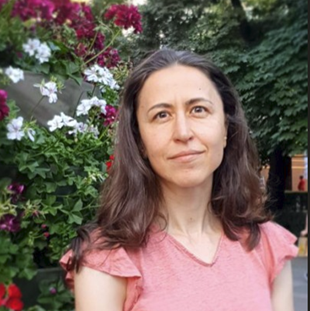
My name is Violeta Chonova, a certified IFS psychotherapist, and I'm glad to support people who are ready to release the past and build a calmer, more balanced, and more authentic life.
If you feel it's time for deep change, I'd love to talk. Let's have a consultation to discuss whether IFS is right for you and how we might work together.
You can reach me at +359 898 258 269 or contact@essenceshine.com.
You don't have to carry everything alone. Healing is possible — and you don't have to walk this path alone.